
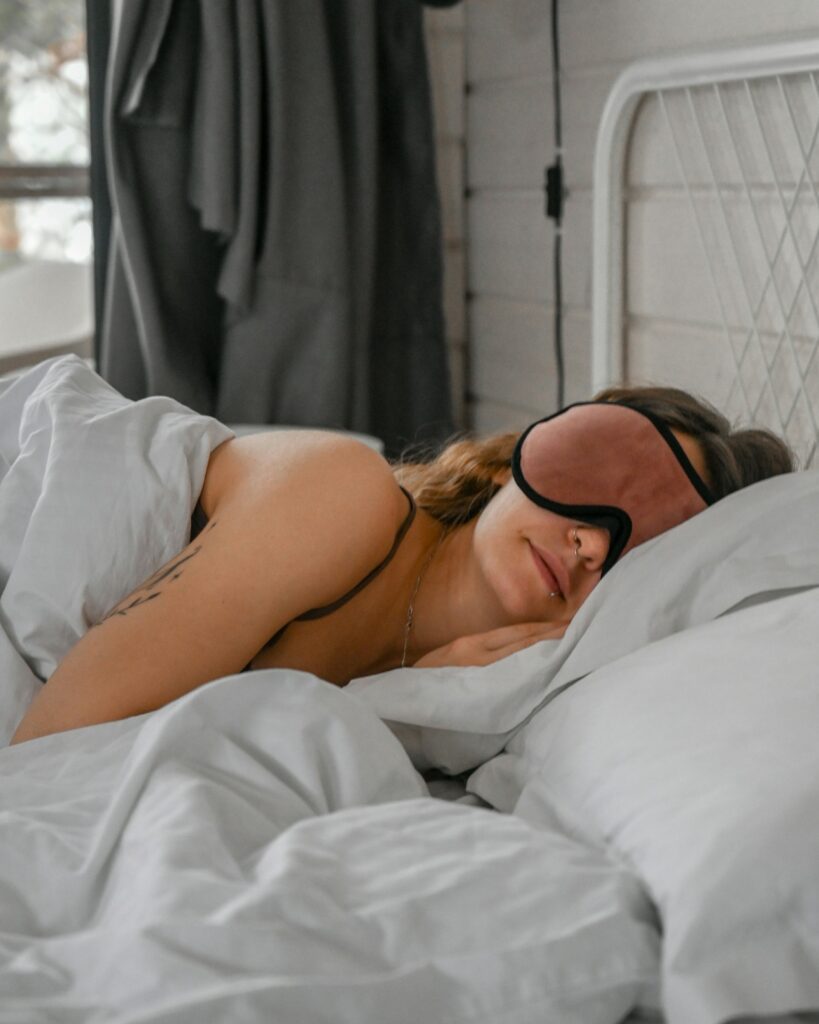
Many individuals go through their days on three cups of coffee and Monster energy drinks. However, no one actually realizes the effects of substituting sleep. While it might be considered lazy to some and unnecessary to others, it comes at a cost that your body and mind fight everyday.
What Sleep Does
Sleep helps the brain organize memories, clear waste, and support clear thinking and emotional balance. It also helps regulate stress, appetite, blood sugar, and other hormones, which is why poor sleep can make people feel hungrier, more irritable, and less steady the next day.
Sleep also strengthens the immune system and supports healing and tissue repair. Over time, not getting enough sleep is linked with worse heart health, higher risk of chronic conditions, and more attention and memory problems.
Why Caffeine Is Not a Substitute
Coffee and energy drinks can mask tiredness, but they do not replace sleep. Energy drinks are often used as a substitute for sleep, and while caffeine may create a short-term boost, it can also contribute to poor sleep patterns and a later crash.
That means three cups of coffee and a Monster can help someone feel more awake for a while, but they do not restore the learning, emotional regulation, or physical recovery that sleep provides. In simple terms: caffeine is like a loan, while sleep is the payment that your body needs to stay healthy.
Learning and Alertness Over Time
At first, sleep deprivation mainly shows up as slower thinking, worse focus, and more forgetfulness. As it becomes chronic, it can weaken attention networks and reaction speed, so people are more likely to zone out, make mistakes, or miss details even when they feel used to being tired.
Health Issues
Long-term poor sleep is linked with major health problems, including high blood pressure, unhealthy cholesterol levels, cardiovascular disease, weight gain, metabolic syndrome, and type 2 diabetes. Research also associates chronic sleep disruption with higher risks of mood problems like anxiety and depression, plus weakened emotional regulation.
Author: Prabhaavi Jagannati, Media Department